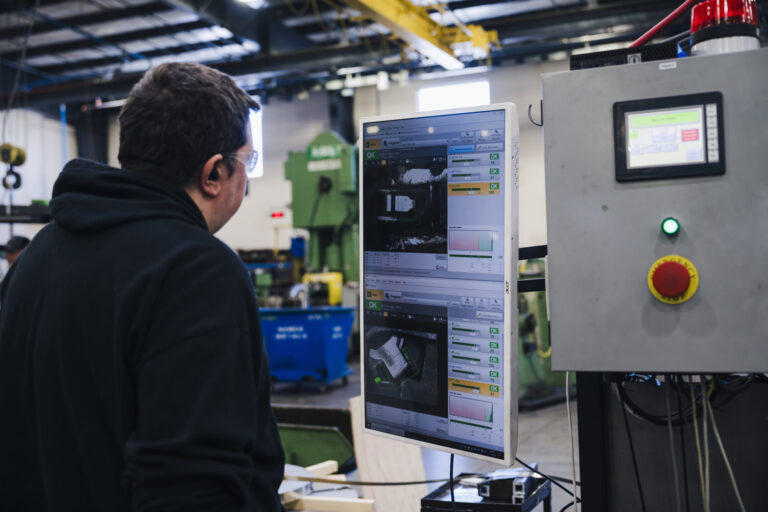
Susan Carlock views technology adoption from a couple of perspectives, but she sees the same lesson in both: A dedicated internal champion is essential to the process.
Carlock sees this truth both at Mursix, the 80-year-old supplier to automative, healthcare and other industries that she serves as executive vice president and co-owner, and at Murray Mentor, the two-year-old company she co-founded to help companies capture and share manufacturing-floor knowledge through AI.
At Mursix, Carlock learned first-hand the folly of simply adding tech-adoption responsibilities to someone’s plate. She once tried to take on the role alongside her other duties, but she struggled to give it the attention it needed. More recently, she has seen how important a dedicated tech-adoption lead can be as she has brought Murray Mentor to the marketplace. Following are lessons from those experiences.
Manufacturing runs on lean margins, Carlock notes, which means everybody works with a packed list of responsibilities and defined metrics. That makes it hard for someone to add tech adoption to their job and make it a priority. Even if it can’t be someone’s sole responsibility, off-load some of your champion’s other tasks so they can focus on tech adoption, or split the role among team members. “You owe it to your business to have a technology leader,” she says. “Whether it’s just one person or a team, you owe it to the future of your business.”
Carlock says one Murray Mentor client stumbled because the wrong person was put into the champion role. Once an adjustment was made, the program got traction and became so successful within the organization that the client renewed for a second year. Finding that person early in the tech-adoption process is important, too, Carlock says, something the Murray Mentor team believes so adamantly that they will speak up quickly if they think the wrong person is guiding the effort. “They can pretty much tell you on the first day if that champion’s going to work,” she says.

Don’t expect the champion to work solo and make things happen. Give that person a team and get it involved early. Pull from various departments for guidance on technology needs, deployment, problems and solutions. And the time commitment may be smaller than you think — dedicating just 2-4 hours a week to tech adoption efforts can be enough to move the needle. A bonus: They’ll become on-the-scene evangelists.
Tech adoption won’t be taken seriously unless it is a part of your strategic planning process, Carlock says. That lets people know how important it is and gives leadership a stake in the project’s success.
Technology is not an amenity or a luxury. It’s essential to competing, Carlock says. “As a small to mid-sized manufacturer, if you’re not doing some of these things, you’re waving to the competition as they drive by because you’re already behind.”
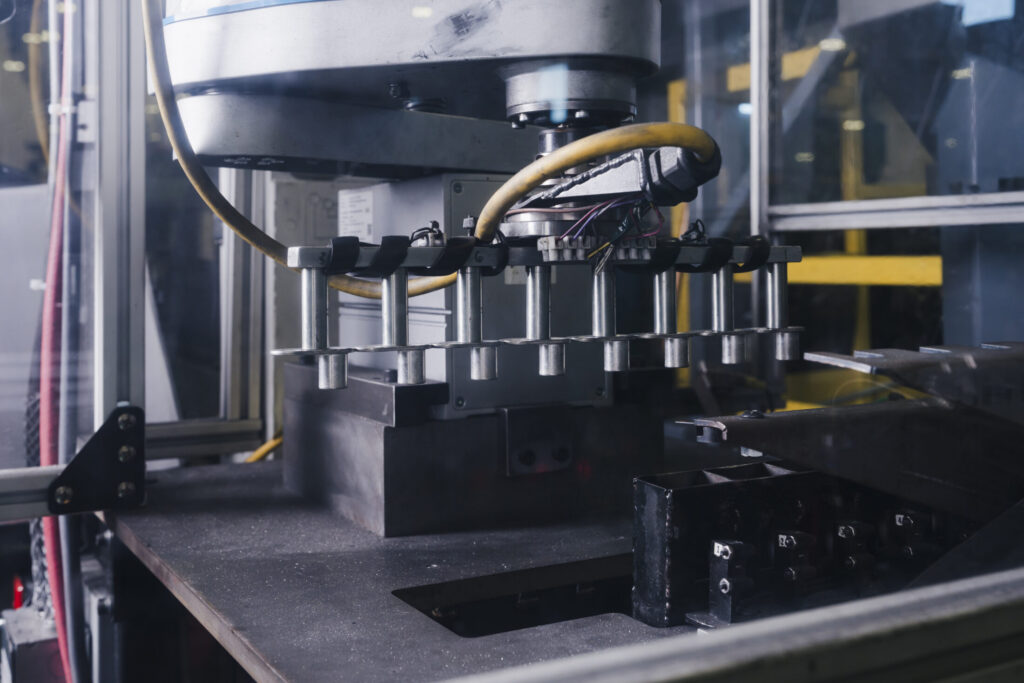
Founded in 1990 and based in Yorktown, Indiana, family-owned Mursix Corporation is a technology-driven manufacturing company known for skillfully solving a full scope of challenges in the manufacture of quality-critical, custom-engineered components. Today, Mursix is active in an expanding range of technology-driven sectors, including medical, alternative energy, automotive, and industrial markets.