Founded on a small batch of products forged from a shuttered wire mill, Midwest Wire Group found success in its core business and began asking what else that foundation could make possible.
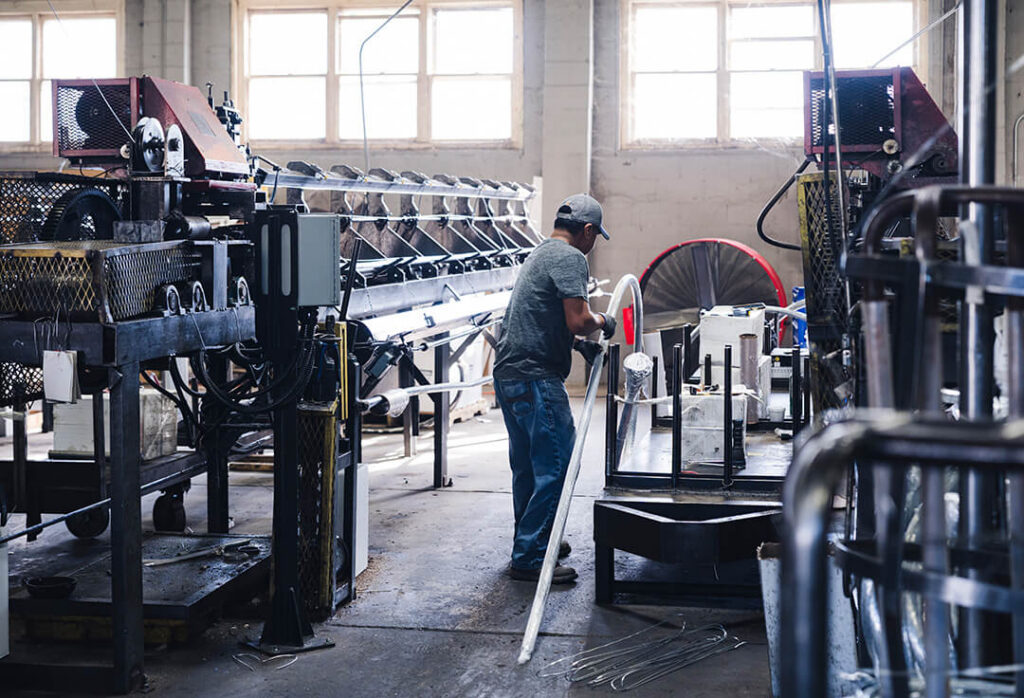
Midwest Wire Group was founded in Crawfordsville, Indiana, and named with a nod to local steel mill Mid-States Steel and Wire Company. When Mid-States closed in 1999, three Crawfordsville residents built Midwest Bale Ties from that legacy. They found traction in toll processing baling wire products for other wire mills. One of those founders was the father-in-law of Midwest’s now-President and Owner, Jason Ramsey. “The first 15 years of the business was hand-to-mouth,” Jason said. “It was a low-margin, high-volume, stable business plan. The business was sustainable because we treated people right, both internally and externally.”
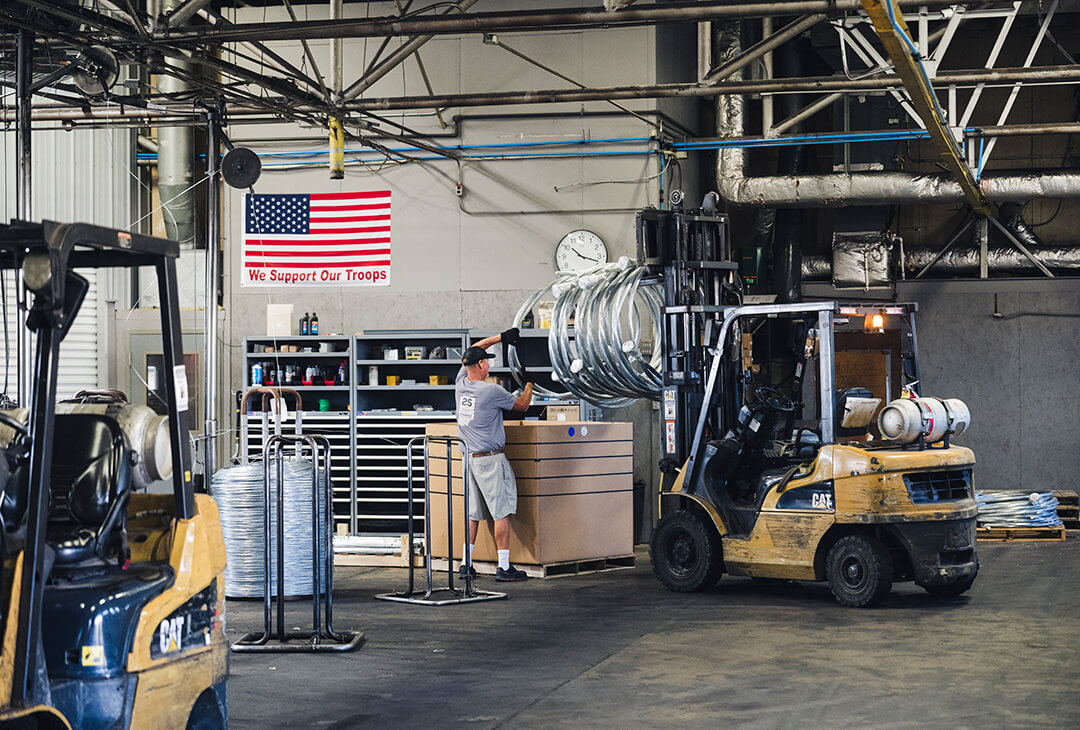
In 2013, Jason’s father-in-law invited him to join the company. An aerospace engineer, Jason initially stayed on the corporate track, but by 2015 he’d had enough. “I was disinterested in wing tips and boardrooms, and missed the jeans and boots environment of hands-on work. I jumped ship and joined the company as an owner.” Soon after, Midwest’s biggest competitor bought the company’s biggest customer, and sales gradually dwindled. Midwest restructured toward direct-to-market business, hired a sales manager and built a team around him, and installed a CRM system so it could reach out before customers ran out of wire. “The last thing they want to worry about is being out of baler wire,” Jason said. “When you run out, cardboard is everywhere. It’s an environmental health and safety issue.”
Still, Jason knew bale wire was a simple product that someone would eventually build a better version of. Looking to diversify while staying in the wire world, where Midwest’s buying power and relationships were strong, he recruited Anthony Beach as Business Development Manager. When an acquisition Jason had been considering fell through, the two decided to build additional production capabilities alongside the bale-tie process Midwest had already mastered.
Initially, buying used equipment seemed like the low-risk, low-cost entry point for diversification — until the numbers and the technology told a different story.
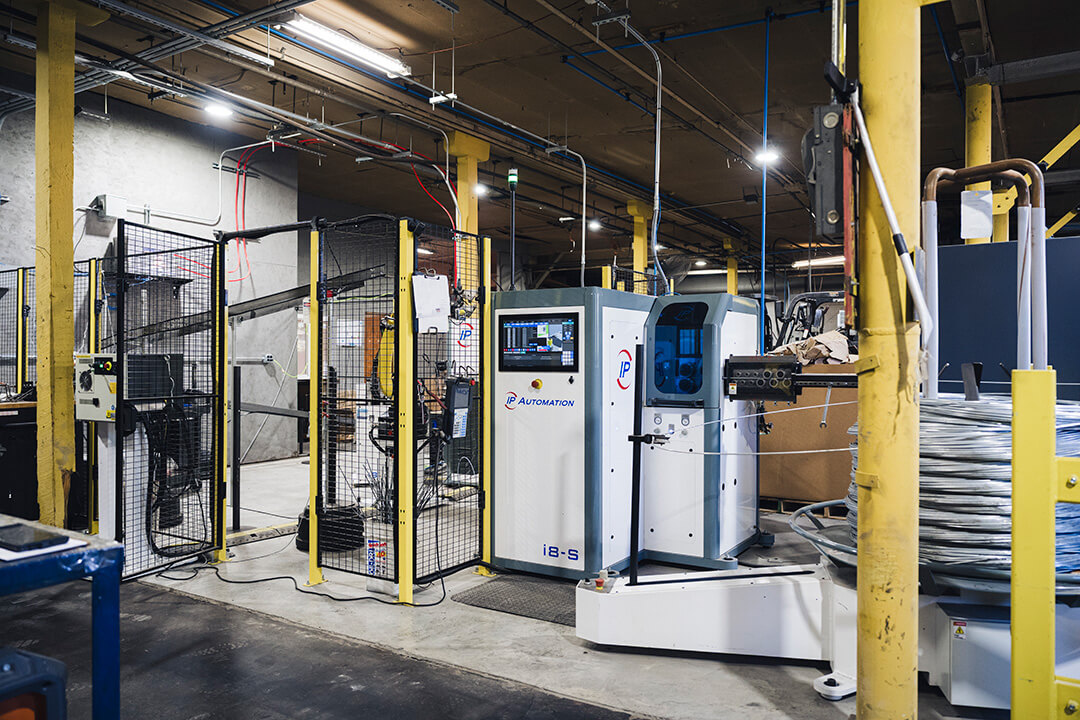
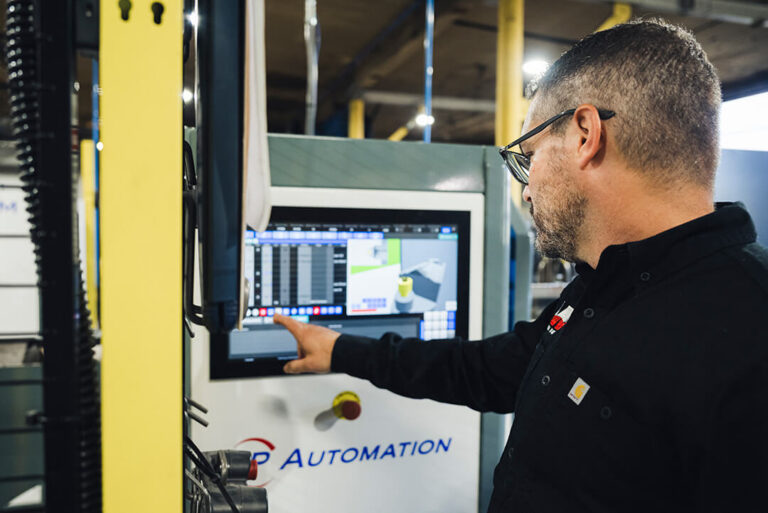
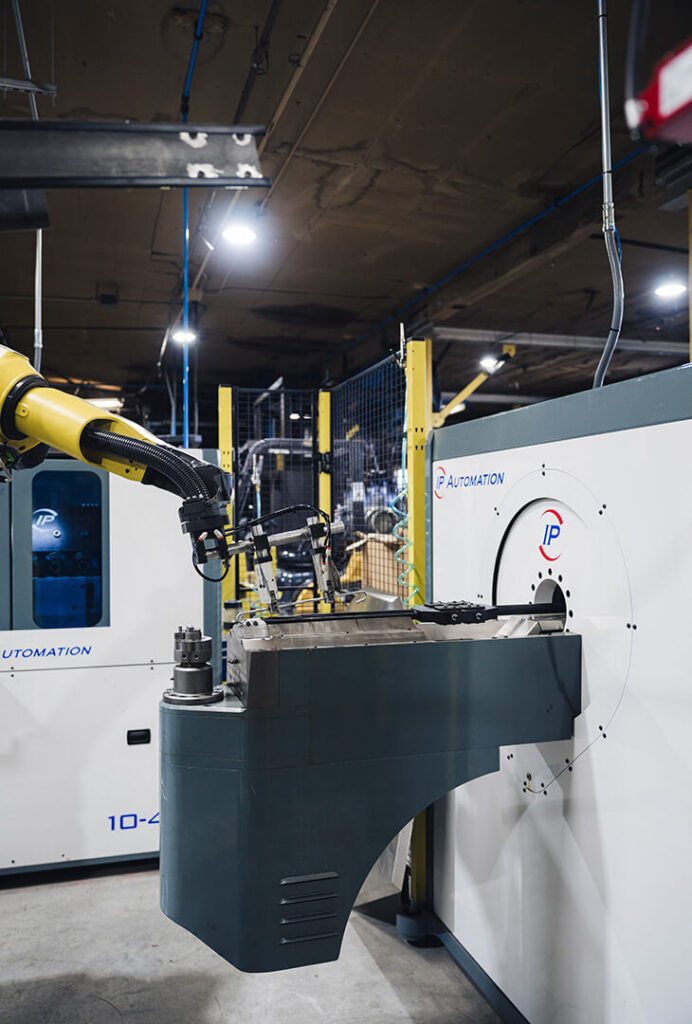
The plan was to buy pre-owned equipment to learn the new production process and “see what we don’t know,” Jason said. But the used equipment on the market was outdated and couldn’t hold the required tolerances, so the two started looking at new equipment instead. There were several foreign options offering high-quality equipment. However, because domestic support was important, Jason and Anthony narrowed their search to two U.S. manufacturers. A meeting with a systems integrator in Chicago opened their eyes to what modern equipment could do: CNC wire benders paired with welders and milling machines, linked with robots that can bend, drill, mill, thread, weld and package in a single production cell with minimal human involvement.
“Anthony and I are engineers,” Jason said. “We’re seeing all of these shiny things and automation and began to understand what’s available.” With a financially healthy core business behind them, they decided against nickel-and-diming a $20,000 used machine. “Let’s do it right once and then lean into it,” they decided. Buying the wire bender and automation together also meant fewer systems to manage and a faster path to competitive pricing for Midwest’s 6,000 existing customers. Digital integration and simulation — including running a “digital twin” of the process before committing — eliminated many of the steps and production conflicts that come with piecing together used equipment.