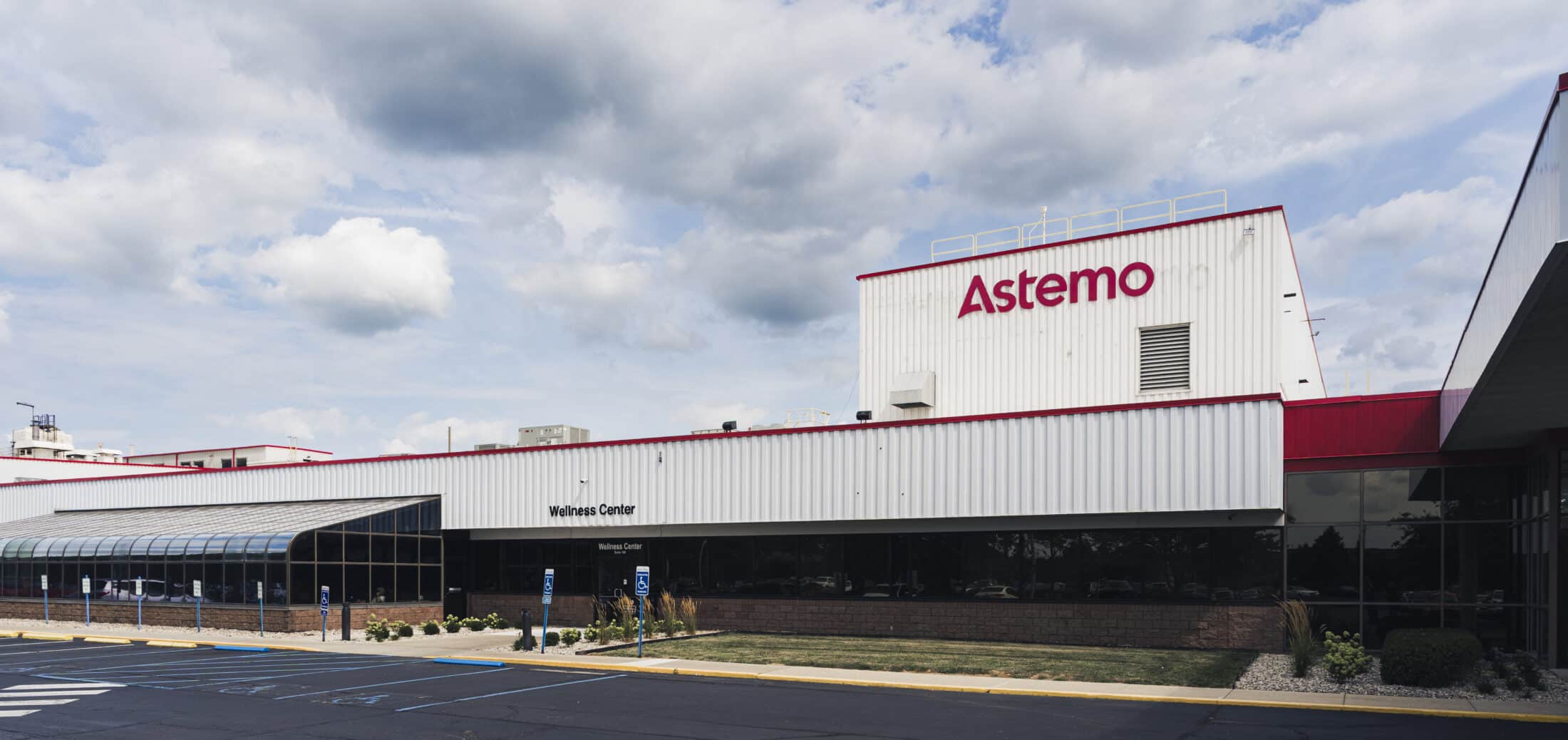
Greenfield-based parts supplier takes charge of its destiny, capitalizing on strengths in rapidly evolving EV market
Astemo Indiana
Hancock County manufacturer invests in the EV future
A long-term commitment to people, technology and capability positioned Greenfield as an automotive supplier for the next generation of mobility
Amid sizable shifts in the electric vehicle (EV) market in recent years, Astemo Indiana’s workforce once again demonstrated its ability to adapt and lead through industry transformation. In 2017, just as EV technology was accelerating, the company’s leaders traveled to Astemo’s global headquarters in Japan to make their case for bringing EV advanced manufacturing technology to Hancock County.
“We had a strong foundation in electronics, but high-voltage power electronics was a new capability for Greenfield,” said Matt Edrington, senior vice president and regional business division head for electrification, Astemo Americas. “We needed to demonstrate that our team had the expertise, discipline and commitment required to support the future of electrification. We had confidence in our people, but confidence alone was not enough. Our responsibility was to invest in the capabilities required to compete in the future of electrification—creating opportunities for our employees, strengthening our operation and supporting the long-term success of our community.”
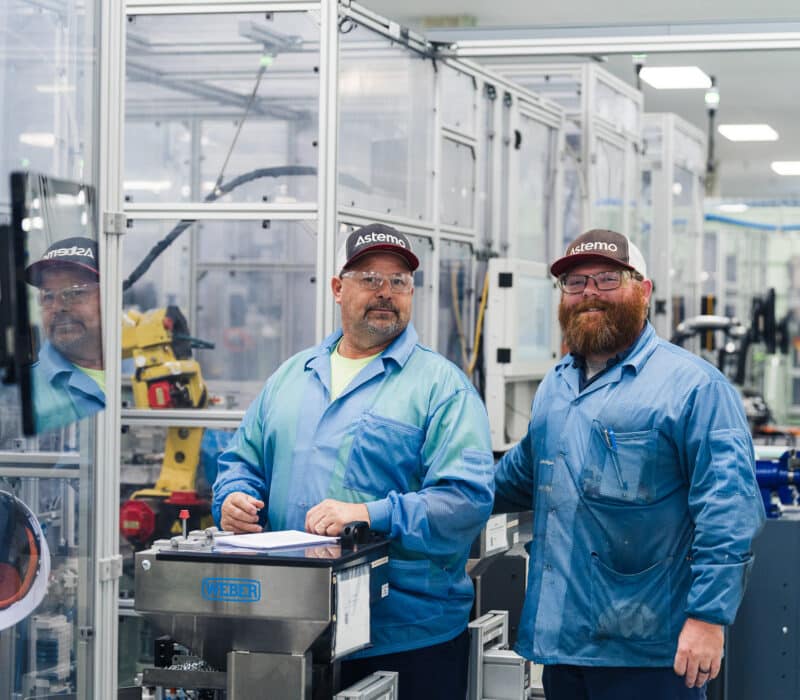
Realizing that vision required more than securing new business. It required a long-term investment in people, technology and organizational capability. As part of that strategy, Greenfield sent engineers, business planning associates and technical staff to Astemo’s global headquarters in Japan to learn every aspect of power control unit (PCU) production.
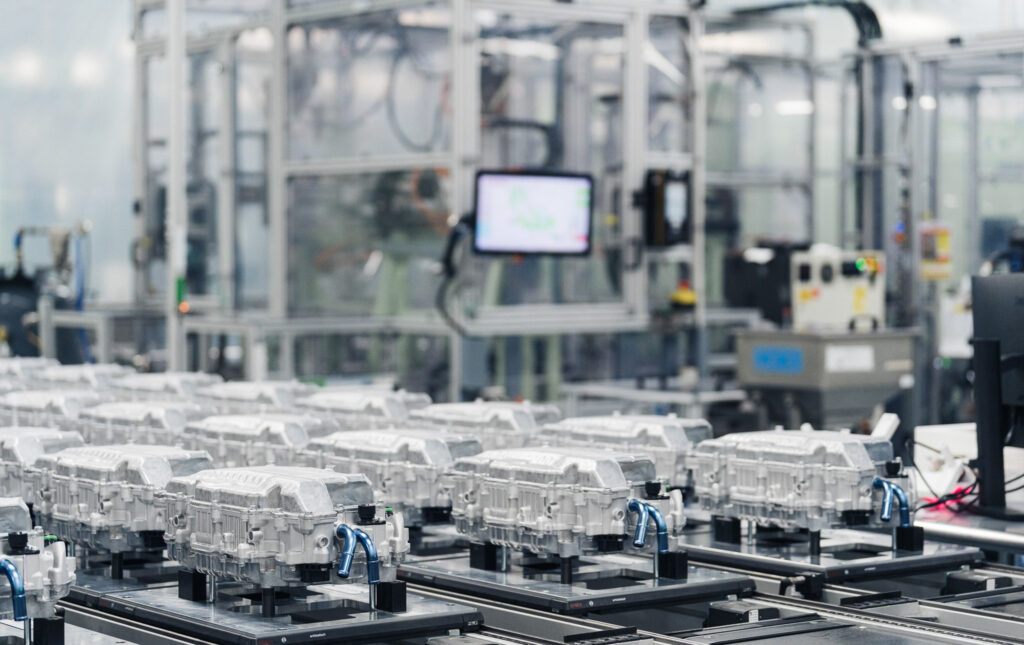
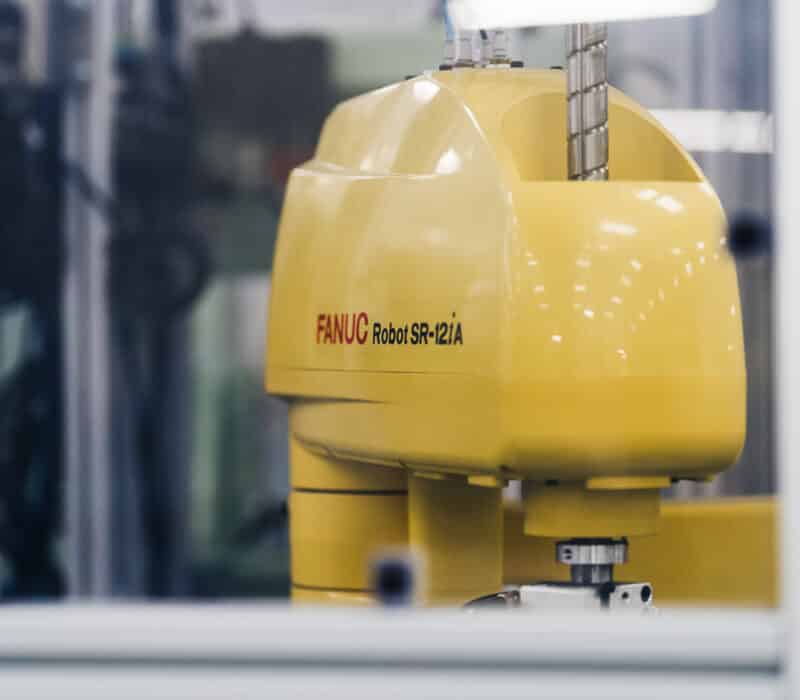
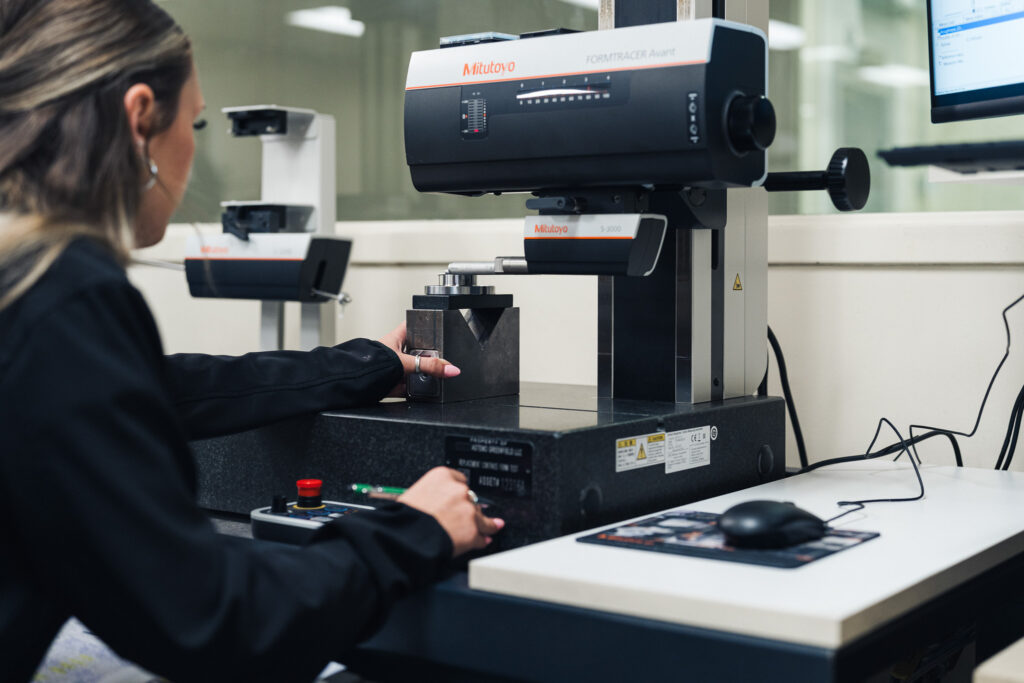
The workhorse of EV technology, the PCU converts battery power into the electricity that drives the vehicle’s electric motor. To develop local expertise, Astemo launched a deliberate technology-transfer initiative designed to bring advanced manufacturing know-how to Hancock County. Six Greenfield associates trained in Japan and returned with the knowledge and best practices needed to support local PCU production. The program established a foundation for capability development that continues today through ongoing overseas training and knowledge-sharing.
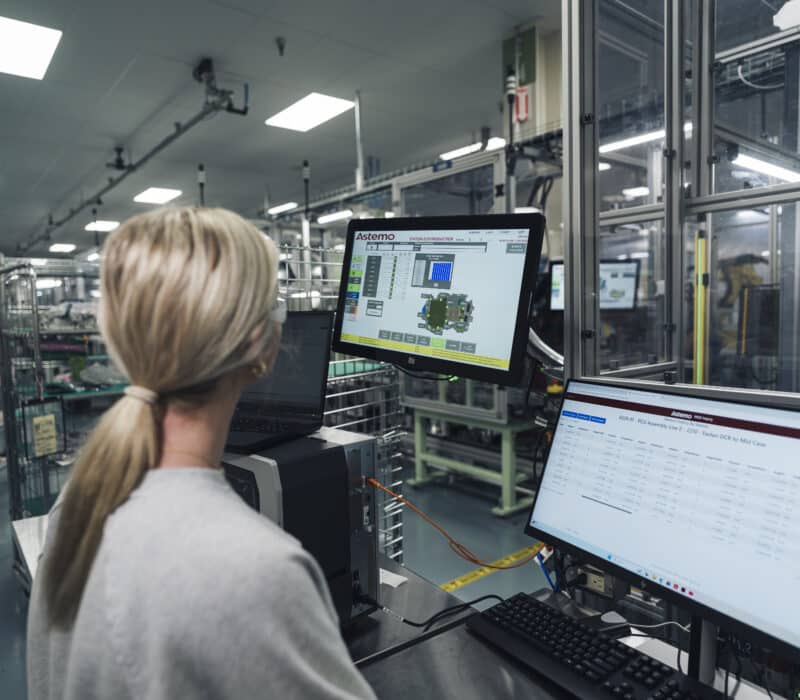
The investments paid off. In 2019, the Greenfield facility began transitioning its manufacturing space for power control unit production. The first PCU line was brought in two years later, and in 2022, the plant’s first PCUs rolled off the line.
“It’s a compelling workforce transformation story,” says Nick Leininger, plant manager in Greenfield and a member of the initial leadership group, along with Edrington, that lobbied its global headquarters for the business. “Our associates brought years of manufacturing expertise in machining and casting, then developed entirely new skills to support advanced EV technologies. That ability to evolve with the industry has been a major strength of the Greenfield team.”
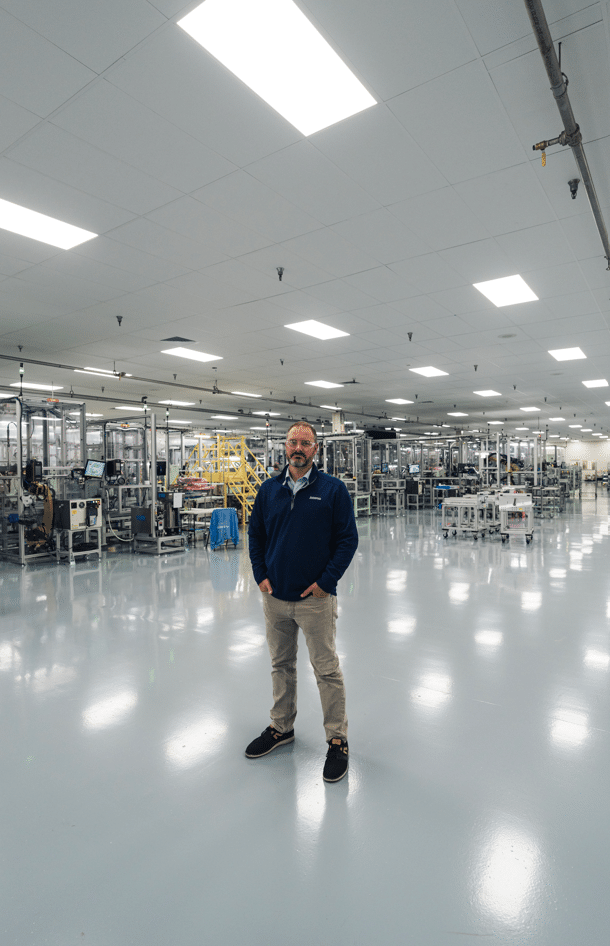
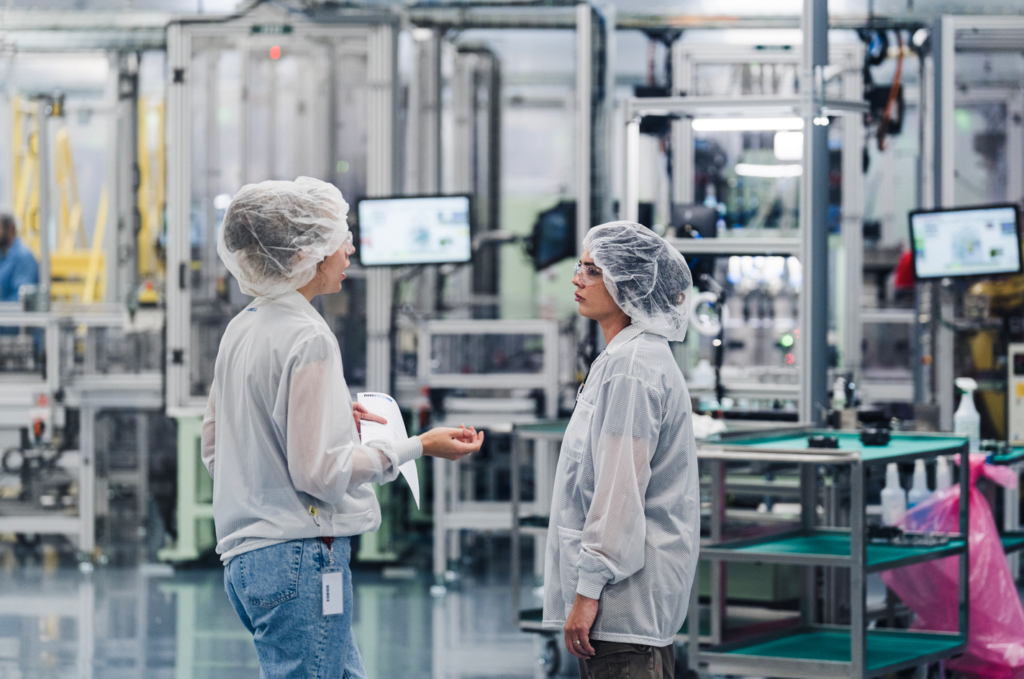
A presence in Greenfield since 1989, the plant—with a foundry, machining and assembly all under one roof—is a perfect fit for EV product manufacturing, which requires all three. Electrification also needs a clean room, which the Greenfield facility has and uses as an existing manufacturer of fuel injectors for internal combustion engine (ICEs) vehicles.
Plant gears up for industry’s next evolution
With foresight, planning and relationship-building, Greenfield facility prepares for the future
Fast-forward to 2025. Astemo Indiana was operating three production lines, dedicating 30% of its manufacturing floor to EV products and producing its third generation of PCUs. Then, the market shifted. Federal EV incentives were rolled back, automakers adjusted their plans toward traditional internal combustion engines and hybrid vehicles, and tariffs increased the cost of imported equipment and materials.
Some manufacturers might see those changes as a threat to their investments. Astemo Indiana saw the changes as opportunity to demonstrate the value of its Greenfield workforce and its uniquely flexible facility. Because the plant produces components for electric, hybrid and traditional vehicles, it can respond to changing customer demand while continuing to prepare for the industry’s next evolution.
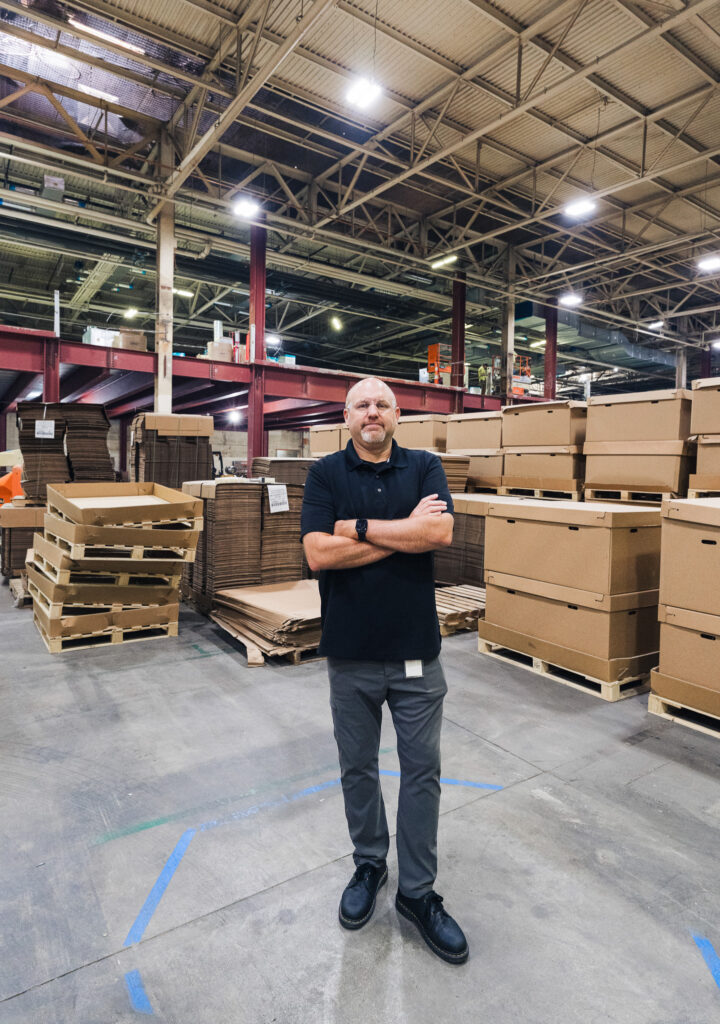
“We have three areas in the plant currently under construction for the three production lines that are coming on board in the near future,” Leininger says. “And we’ve identified additional space that we can free up for longer-term expansion as well.”
Beginning in mid-2027, the company will launch domestic production of next-generation inverter and power modules as part of a strategic onshoring initiative. Additional manufacturing lines are planned through 2030 to meet growing demand for hybrid vehicle technologies. As the program scales, floor space utilization for electrified vehicle systems is expected to reach approximately 85%, while the workforce is projected to nearly double over the next several years to support continued growth.
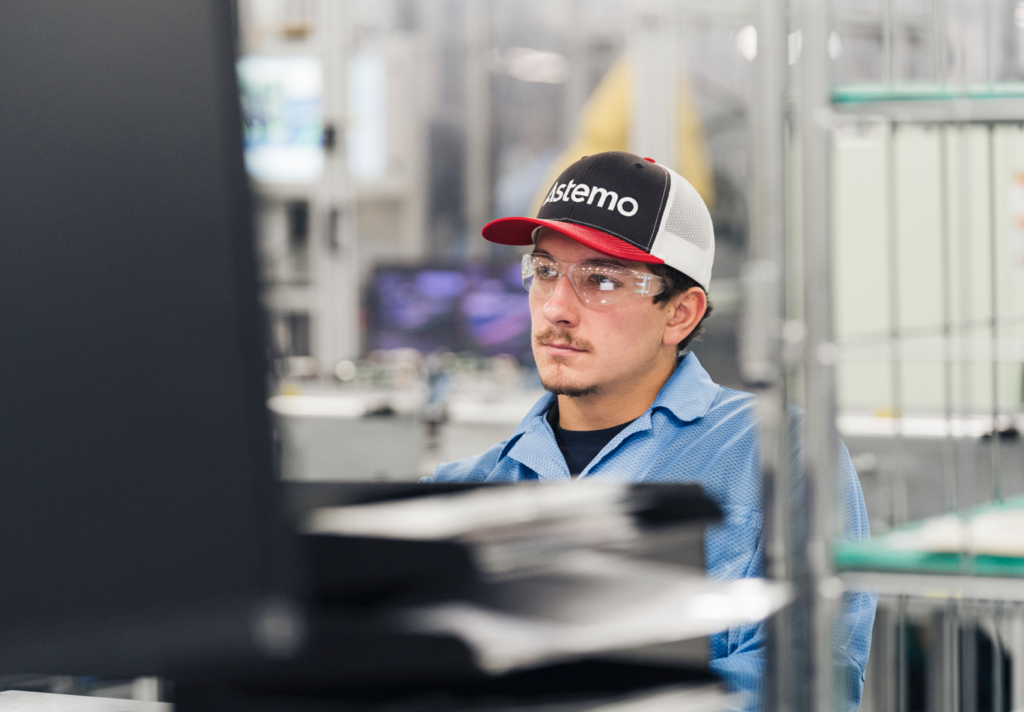
“While the market has evolved, our strategy has always been centered on building capabilities that can adapt to changing customer demand,” Edrington said. “Because Greenfield is one of the few facilities globally that produces both PCUs and fuel injectors, we are uniquely positioned to support electrified, hybrid and traditional powertrain programs. That flexibility allows us to continue investing in our future while responding to changes in the market.”
Navigating the uncertain regulatory and economic environment continues to be a challenge, particularly with tariffs on imported equipment and materials and increasing competition from overseas markets. Leaning into its established relationships with Midwestern equipment makers, the Greenfield plant continues advancing toward its goal of being a system solutions provider to OEMs by engaging with its suppliers early to support upcoming projects.
“One of the keys to our success has been building capability through partnership,” Edrington said. “By engaging equipment makers early and integrating them into the development process, we strengthen local expertise, accelerate problem-solving and create solutions that better align with our customers’ needs.”
In addition, to further strengthening relationships with local equipment makers, meeting the demands of Astemo Greenfield’s projected EV growth requires a robust workforce readiness strategy. To strengthen the pipeline of qualified associates, the company has partnered with Hancock County Schools on a work-experience program that brings students into the plant for paid internships.
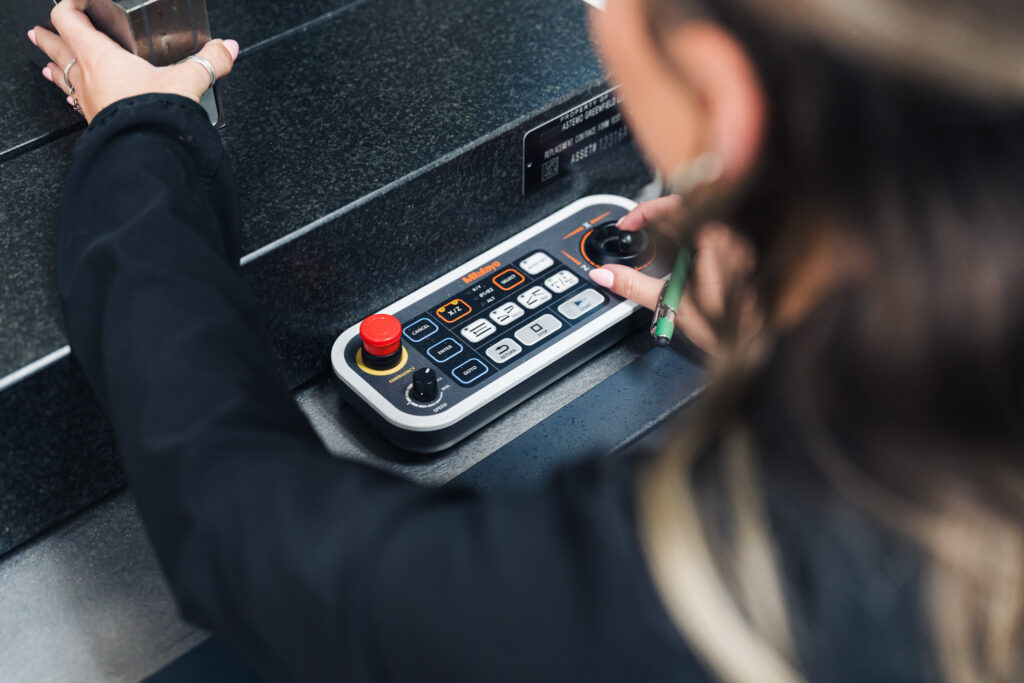
“We’re partnering with local schools to help improve the perception of what a career in advanced manufacturing can offer,” says Christopher Brunner, HR operations senior manager. “So far, we’ve had good success with the program in driving more local students to want to join us.”
For existing employees at the Greenfield plant, a facility with historically low turnover, the company provided in-house training on electrification and EV technologies led by the associates who trained in Japan, as well as courses on high-voltage safety. Prior to the launch of the company’s first EV line, the company also held communication sessions and town hall meetings to prepare its workforce for the upcoming changes.
“We hadn’t experienced a lot of growth in Greenfield, so the EV product launches have been, I think, a real bright spot for the people who work here,” Brunner says. “Hearing the messages about the great products coming to Greenfield generated a lot of hope and really helped our people stay excited about working here and where the future will take us.”
Key Learnings: Think big, lead boldly and invest in people
Bold initiatives yield unprecedented growth and the ability to survive uncertainty
Driven by new opportunities in the EV market, Greenfield-based Astemo Indiana relied on its long-standing strengths to gain entry into the world of advanced EV product manufacturing.
Through investments in people, technology and capability development, the company built the foundation for long-term growth while strengthening its ability to adapt to a changing market.
Following is some of the leadership’s advice for companies attempting to do the same.
Lead boldly and compete for the future.
Astemo Indiana earned its role in the EV transition by making a clear case for why the work belonged in Indiana, then backing that case with investment, training and operational commitment. For manufacturers, the lesson is to define the future work you want, make the case for why your facility can win it, and be willing to invest in the people and capabilities needed to deliver.
Invest in workforce flexibility to create agility.
A flexible workforce gives manufacturers more room to respond when technology, the market or customer demand shifts. Astemo Indiana associates brought deep manufacturing knowledge from machining, casting, assembly and electronics, then built new EV capabilities through training, overseas learning and internal knowledge-sharing. The lesson is not simply to hire for the next technology, but to continuously upskill the workforce you already have so employees can escalate with the business.
Use existing assets as a foundation for growth.
Transformation doesn’t always require starting from scratch. Astemo Indiana leveraged its existing facility, clean-room capabilities, foundry, machining, assembly operations and ICE production experience to move into EV power electronics. Manufacturers should assess the assets they already have such as space, equipment, technical skills, customer relationships and process knowledge, and identify how those strengths can be adapted for new growth opportunities.
Build relationships before you need them.
Major transitions require strong partnerships across the full ecosystem. Astemo’s growth depends not only on internal training, but also on relationships with global leadership, local equipment makers, suppliers and schools. By engaging suppliers early and building workforce pipelines with local education partners, manufacturers can reduce friction, localize capability and prepare for long-term expansion.